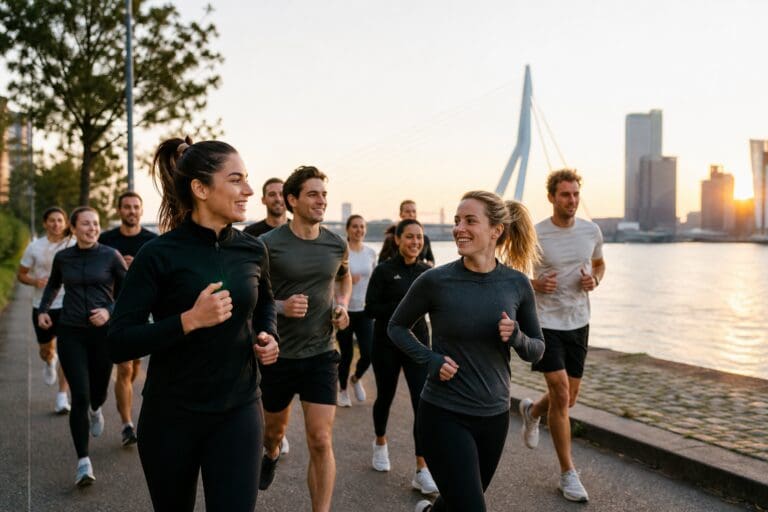
Finding the motivation to stay active often feels like a chore when you go it alone. However, samen sporten transforms a routine workout into a vibrant social event. By choosing to move your body alongside others, you turn fitness into a highlight of your week.
Whether you are hitting the court for a fast-paced game of padel or heading to the local pool for a refreshing swim, the focus remains on connection. Sharing these moments helps build stronger bonds while you improve your physical health. It is not about being the fastest or the strongest athlete in the group.
When you decide to sporten met vrienden, you prioritize enjoyment and consistency over intense training. These accessible activities offer a flexible way to stay healthy without the pressure of a strict gym regimen. Grab your gear and discover how much better movement feels when you have great company by your side.
Key Takeaways
- Group activities increase motivation and make fitness feel less like a chore.
- Padel and swimming are excellent, low-barrier options for all skill levels.
- Prioritizing social connection helps you maintain a consistent exercise routine.
- Focusing on shared enjoyment reduces the pressure to perform at an elite level.
- Choosing active hobbies with friends strengthens both your health and your relationships.
Waarom samen sporten maakt bewegen leuker en makkelijker
Transforming your daily movement into a social event changes your entire perspective on health. When you step away from the solitary gym routine, you discover the many voordelen van samen sporten. It turns a task that feels like a chore into a highlight of your week.
Understanding waarom is regelmatig bewegen essentieel helps you prioritize your health, but doing it with others makes it stick. By sharing the journey, you create a support system that keeps you accountable.
How shared goals improve motivation and consistency
Setting targets with a partner significantly boosts your motivatie om te sporten. When you know someone is waiting for you at the court or the track, you are far less likely to skip your session. This social pressure acts as a positive force for consistency.
Shared goals allow you to celebrate small wins together. Whether you are training for a local 5K or simply trying to stay active, having a witness to your progress makes the effort feel more rewarding. You push each other to reach new heights that you might not attempt alone.
Choosing an activity that suits different fitness levels
One of the best parts of group exercise is the ability to adapt. You do not need to be at the same athletic level to enjoy a workout together. Many sports allow for modifications that keep everyone engaged without feeling overwhelmed.
By selecting activities that offer varying intensities, you ensure that everyone feels included. This inclusivity is key to maintaining a long-term habit. When everyone feels comfortable, the group dynamic remains positive and encouraging.
Turning exercise into quality time with friends and family
Exercise often competes with our social lives, but it does not have to. Combining your workout with time spent with loved ones is a brilliant way to maximize your schedule. It turns a standard training session into a meaningful bonding experience.
You can catch up on life while walking, cycling, or playing a game. This creates a healthy balance between physical exertion and emotional connection. The following table highlights why moving together is often superior to training in isolation.
| Feature | Solo Exercise | Group Exercise |
|---|---|---|
| Accountability | Self-reliant | High (Partner support) |
| Social Interaction | None | High (Bonding) |
| Motivation Level | Fluctuating | Consistent |
| Fun Factor | Low to Moderate | High |
Padel for fast rallies, teamwork, and social energy
Stepping onto a padel court is the perfect way to combine fitness with genuine social interaction. This sport captures the excitement of fast-paced rallies while remaining accessible to people of all athletic backgrounds. It is a fantastic choice for those who want to break a sweat without sacrificing the chance to chat and laugh with friends.
Why padel works well for beginners and experienced players
The beauty of this sport lies in its forgiving nature. Because the court is enclosed by glass walls, the ball stays in play longer, which is a huge advantage for padel voor beginners. You do not need years of training to enjoy a competitive rally, as the shorter rackets make it easier to control your shots from the very first session.
How doubles play keeps everyone involved
The game is almost exclusively played as padel doubles, which naturally fosters a sense of camaraderie. By working in pairs, you learn to communicate effectively and cover the court as a unit. This format ensures that no one feels isolated, as the constant movement and shared strategy keep every participant engaged throughout the match.
What to bring, how to book a court, and how to get started
Getting started is simple and requires very little specialized gear. Most local clubs offer equipment rentals, so you only need comfortable athletic clothing and non-marking court shoes. You can easily book a court through mobile apps or club websites, making it a convenient option for busy schedules.
Adapting the pace for mixed-ability groups
When playing with a group of varying skill levels, focus on placement over power. Experienced players can challenge themselves by setting up easier shots for their partners, ensuring that everyone gets a chance to hit the ball. This approach keeps the rally alive and prevents the game from becoming one-sided.
Keeping games friendly instead of overly competitive
Remember that the primary goal is to enjoy your time together. Prioritize long, fun rallies rather than focusing solely on the final score. A lighthearted atmosphere encourages everyone to try new techniques without the fear of making mistakes.
| Sport | Skill Entry Level | Social Interaction | Intensity |
|---|---|---|---|
| Padel | Low | High | Moderate |
| Tennis | High | Moderate | High |
| Pickleball | Very Low | High | Low-Moderate |
Swimming together for a low-impact full-body workout
If you want a workout that is kind to your joints, look no further than the local pool. Swimming together is an excellent way to improve your cardiovascular health while minimizing the stress on your bones and muscles. This low-impact workout allows people of all ages to move freely in the water.
Pool activities that work for different swimming abilities
The beauty of the water is that it supports your body weight, making it accessible for everyone. You do not need to be an Olympic athlete to enjoy the benefits of a pool session. Beginners can start with simple walking or treading water, while advanced swimmers can focus on specific strokes to build endurance.
Lap swimming with shared intervals and rest periods
For those who prefer a structured routine, lap swimming offers a great way to stay motivated. You can coordinate with a partner to swim specific distances before taking a break. Sharing these intervals helps keep the pace steady and makes the time pass much faster.
- Warm up with two easy laps.
- Perform four laps at a moderate pace.
- Rest for sixty seconds between sets.
Water aerobics, recreational swimming, and family-friendly options
If laps feel too intense, consider joining a water aerobics class. These sessions use the natural resistance of the water to tone muscles without the need for heavy weights. Recreational swimming is also a fantastic way to bond with family members while keeping everyone active in a fun, relaxed environment.
Choosing a safe pool environment and suitable equipment
Always prioritize safety by selecting a facility that employs certified lifeguards. Having the right gear, such as goggles, swim caps, or even kickboards, can significantly enhance your experience. Proper equipment ensures that you remain comfortable and focused throughout your session.
Respecting lane etiquette and personal comfort levels
When visiting a public pool, it is vital to follow basic lane etiquette to ensure everyone has space. Always swim in the direction indicated by the signage and allow faster swimmers to pass safely. By respecting the comfort levels of others, you create a welcoming atmosphere for the entire community.
Pickleball and doubles tennis for easy social competition
Engaging in friendly competition is one of the best ways to stay active with friends. Court sports provide a structured environment where movement feels like play rather than a chore. By choosing the right game, you can ensure everyone feels included and energized.
How pickleball creates a welcoming entry point
Pickleball has surged in popularity because it is incredibly easy to learn. The smaller court size and slower ball speed allow beginners to enjoy long rallies almost immediately. It is a fantastic way to introduce friends to a new hobby without the intimidation of a steep learning curve.
What makes doubles tennis a stronger workout
If your group prefers a higher intensity, doubles tennis is an excellent choice. The larger court requires more lateral movement and explosive power to cover the ground effectively. This sport challenges your cardiovascular system while keeping the social aspect of teamwork at the forefront.
Balancing rallies, rotations, and skill differences
Managing a group with varying fitness levels requires a bit of strategy. You can rotate partners frequently to ensure that no one feels stuck in a lopsided match. Communication is key to keeping the energy high and the competition balanced for everyone involved.
Simple scoring formats that keep groups moving
To keep the game flowing, consider using simplified scoring systems. These methods prevent long delays and keep the focus on the fun of the rally:
- Play to a set number of points rather than traditional sets.
- Use “no-ad” scoring to speed up the pace of each game.
- Rotate players after every two games to keep the energy fresh.
Basic court etiquette for enjoyable matches
Good sportsmanship is the foundation of any successful group outing. Always remember to call out scores clearly before serving to avoid confusion. Respecting your opponents and partners creates a positive atmosphere that encourages everyone to return for the next session.
Cycling and walking routes that turn exercise into an adventure
Turning your daily exercise into a shared adventure makes every mile feel shorter and more rewarding. Whether you are exploring local parks or hitting scenic trails, outdoor movement fosters a sense of connection that indoor gyms often lack. By choosing the right environment, you can easily turn a standard workout into a highlight of your week.
Planning a group bike ride for comfort and safety
When you decide on fietsen in een groep, organization is the key to success. Start by selecting paths with dedicated lanes to ensure everyone feels secure while riding. It is vital to communicate the route in advance so that all participants know what to expect regarding terrain and duration.
Choosing walking routes for casual and purposeful workouts
Selecting the right wandelroutes depends entirely on the goals of your group. For a casual outing, look for flat, paved paths that allow for easy side-by-side walking. If your group prefers a more intense session, seek out hilly terrain or nature trails that offer a natural resistance challenge.
Using conversation, scenery, and breaks to sustain motivation
The beauty of outdoor exercise lies in the ability to chat while you move. Engaging conversation acts as a natural distraction, making the physical effort feel effortless. Plan your route to include scenic viewpoints or coffee stops, as these moments provide a perfect opportunity to recharge and bond.
Matching distance and pace to the slowest participant
To keep the group spirit high, always set the pace based on the slowest member. This inclusive approach prevents anyone from feeling left behind or discouraged. Remember that the primary goal is to enjoy the shared experience rather than setting personal speed records.
Preparing for weather, traffic, hydration, and mechanical problems
Preparation is essential for a smooth outdoor adventure. Always check the local weather forecast and dress in layers to stay comfortable. Carry enough water for everyone, and ensure at least one person brings a basic repair kit for fietsen in een groep to handle minor mechanical issues. Being mindful of traffic and staying alert on busy wandelroutes will keep your group safe and focused on the fun ahead.
Running and hiking for shared challenges at every level
Exploring local paths together turns simple exercise into a shared adventure for every fitness level. Whether you are hitting the pavement or heading into the woods, outdoor movement provides a unique way to build stamina and social bonds simultaneously. By choosing the right intensity, you ensure that everyone feels included and motivated throughout the journey.
Starting a beginner-friendly run-walk routine
A structured run-walk routine is the perfect way to introduce cardiovascular training without overwhelming your body. By alternating between short bursts of running and steady walking, you allow your heart rate to recover while maintaining forward momentum. This method is highly effective for groups with varying levels of experience.
Start with a simple ratio, such as one minute of jogging followed by two minutes of walking. You can gradually increase the running intervals as your group builds endurance over time. This approach makes the activity feel manageable and encourages consistency for every participant.
Using hiking to combine strength, balance, and exploration
When you prefer a slower pace, samen wandelen en hiken offers a fantastic opportunity to enjoy nature while working on your physical health. Hiking engages your core and stabilizer muscles, especially on uneven terrain. It is a low-pressure way to stay active while exploring new scenery with friends.
Unlike high-intensity sports, hiking allows for constant conversation and shared discovery. You can focus on the environment, which often makes the physical effort feel less demanding. It is a great way to improve balance and functional strength in a relaxed, natural setting.
Supporting different paces without leaving anyone behind
Group dynamics can be tricky when fitness levels vary, but clear communication solves most issues. The goal is to keep the group connected so that no one feels isolated or discouraged. Planning your route in advance helps everyone understand the expectations for the day.
Creating meeting points and regrouping rules
Establish specific landmarks as meeting points to ensure the group stays together. If the trail splits or the pace naturally drifts, these checkpoints allow faster members to loop back or wait for others. Implementing a “no-drop” policy ensures that the last person to arrive at a checkpoint is never left behind.
Recognizing heat, fatigue, pain, and other warning signs
Safety must always remain a priority during outdoor sessions. Keep a close eye on your partners for signs of heat exhaustion, such as dizziness or excessive sweating. If someone experiences sharp pain or extreme fatigue, it is vital to stop immediately and assess the situation.
- Carry extra water to prevent dehydration.
- Monitor the weather forecast before heading out.
- Listen to your body and encourage others to do the same.
| Activity Type | Primary Benefit | Intensity Level | Required Gear |
|---|---|---|---|
| Run-Walk | Cardio Health | Moderate | Running Shoes |
| Casual Hiking | Endurance | Low to Medium | Supportive Boots |
| Trail Running | Agility | High | Trail Shoes |
Group classes, dance, and indoor workouts for extra variety
If you are looking for new ways to move, group fitness classes provide the perfect blend of social interaction and physical challenge. Stepping inside for a workout opens up a world of variety that keeps your fitness journey fresh and exciting. Engaging in these activities is a great way to samen sporten voor meer energie en while staying motivated.
Trying yoga, Pilates, and mobility classes together
Yoga and Pilates are excellent for building core strength and improving flexibility in a calm environment. These sessions allow you to focus on your breath and alignment alongside your friends. Mobility work is often overlooked, but doing it as a group ensures everyone stays injury-free and limber.
Building energy with Zumba, cardio dance, or boxing classes
If you prefer high-energy movement, a dance workout is the perfect solution to get your heart rate up. Zumba classes turn exercise into a party, making the time fly by while you burn calories. Alternatively, boxing classes offer a powerful way to release stress and build coordination with a partner.
Using strength circuits to train with different abilities
Strength circuits are highly adaptable for groups with varying fitness levels. You can customize the weight or intensity of each station to match your personal needs. This approach ensures that everyone feels challenged without feeling overwhelmed by the pace of others.
| Activity Type | Primary Benefit | Intensity Level |
|---|---|---|
| Yoga/Pilates | Flexibility & Core | Low to Moderate |
| Cardio Dance | Endurance & Mood | Moderate to High |
| Strength Circuits | Muscle Building | Adjustable |
Deciding between a gym class, studio, or home workout
Choosing the right location depends on your group’s budget and comfort level. Gyms offer a wide range of equipment, while boutique studios provide a more intimate atmosphere. If you prefer convenience, a home dance workout or yoga session can be just as effective and much more affordable.
Making social accountability feel supportive rather than pressuring
True accountability is about encouragement, not guilt. Focus on celebrating small wins and showing up for each other consistently. When you view group fitness classes as a fun social date, the pressure to perform disappears, leaving only the joy of moving together.
How to choose and organize a sport everyone will enjoy
Successfully managing a group workout routine depends on how well you align your collective needs. Before you commit to a specific activity, it is helpful to look at the practical side of things. Just like when you een dagje uit plannen met het hele, preparation is the key to success.
Comparing cost, location, equipment, and scheduling demands
When you start the process of een groepssport kiezen, you must consider the budget of every participant. Some sports require expensive gear or high membership fees, while others are free to enjoy in a local park.
Location is equally important for maintaining consistency. Choose a venue that is centrally located to minimize travel time and ensure that everyone can arrive on time without stress.
Agreeing on goals before the first session
It is vital to have an open conversation about what everyone wants to achieve. Some members might prioritize weight loss, while others simply want to improve their social connections or mental well-being.
Setting shared expectations prevents frustration later on. When everyone is on the same page, the group dynamic remains positive and focused.
Creating a realistic weekly routine for the whole group
Consistency is the secret to long-term health. Establishing a wekelijkse sportroutine helps turn exercise into a non-negotiable part of your calendar.
Try to pick a time slot that works for the majority. If your schedule is tight, keep the sessions short but intense to maximize the benefits of your time together.
Using trial sessions to test the right activity
Do not feel pressured to commit to a long-term contract immediately. Use trial sessions to see if the chosen sport actually fits the group’s energy levels and interests.
Handling cancellations, changing interests, and uneven attendance
Life happens, and sometimes people cannot make it to a session. Create a flexible policy that allows for occasional absences without making anyone feel guilty.
If interest wanes, be open to switching activities. The goal is to keep moving, not to stick to a rigid plan that no longer serves the group.
Making safety, accessibility, and inclusion part of the plan
Always prioritize the physical well-being of your group members. Ensure that the chosen activity is accessible to everyone, regardless of their current fitness level or physical limitations.
Inclusion is what keeps a group together over time. By choosing activities that allow for different paces, you ensure that no one feels left behind or discouraged.
Conclusion
Finding the right balance between movement and social connection transforms your daily routine. Engaging in leuke groepsactiviteiten turns a simple workout into a highlight of your week. You build lasting bonds while prioritizing your physical well-being.
Choosing to stay active with friends or family makes a gezonde levensstijl feel effortless. You no longer view exercise as a chore. Instead, it becomes a shared adventure that keeps everyone motivated and energized.
Pick one activity from our list that sounds fun for your group. Reach out to your friends today to set a date. Keep your first session flexible to ensure everyone feels comfortable and ready to participate. Your path to a more active life starts with that first simple invitation.
FAQ
Why is exercising with friends or family more effective than working out alone?
Moving together transforms a workout into a social event, which significantly boosts motivation and consistency. When you have a shared goal—whether it is training for a local 5K or attending a weekly OrangeTheory session—the accountability to your group makes it much harder to skip a day. Plus, it turns exercise into quality time, allowing you to catch up while improving your health.
Do I need prior experience to start playing Padel with my friends?
Not at all! Padel is famous for being incredibly accessible for beginners while remaining challenging for experienced athletes. Using high-quality gear from brands like Wilson or Head can help, but the focus is on teamwork and fast rallies. Most clubs, such as Padel Haus, offer easy booking systems and racket rentals, making it simple to jump right into a friendly doubles match.
How can we accommodate different fitness levels during a group bike ride or hike?
The best approach is to match the pace to the slowest participant to ensure everyone feels included and safe. Planning routes with clear meeting points and scheduled breaks for hydration keeps the group together. For cycling, using a tracking app like Strava can help you plan paths that avoid heavy traffic while highlighting scenic views to keep everyone inspired.
Is Pickleball really easier to learn than Tennis for social groups?
Yes, Pickleball is often considered a more welcoming entry point because the court is smaller and the ball moves slower, leading to longer rallies even for novices. While Doubles Tennis provides a more vigorous cardio workout, Pickleball focuses on quick reflexes and social energy. Both are excellent for group play, especially when using simple scoring formats to keep the matches moving.
What are the benefits of choosing swimming as a group activity?
Swimming is a fantastic low-impact option that works for almost every ability level. You can visit a local YMCA or community pool for lap swimming with shared intervals, or join a water aerobics class for a high-energy group environment. It is a great way to get a full-body workout without the joint strain associated with running, provided everyone follows basic lane etiquette and wears comfortable gear like Speedo goggles.
How do we stay organized and handle scheduling conflicts or cancellations?
Communication is key to maintaining a successful routine. Using a shared tool like Google Calendar or a WhatsApp group helps everyone stay on the same page regarding costs, locations, and equipment needs. We recommend starting with trial sessions for activities like Zumba, Yoga, or Pilates to see what resonates most with the group before establishing a fixed weekly schedule.
What should we do if someone feels overexerted during an outdoor activity?
Safety should always be the priority. It is important to recognize warning signs like fatigue, dizziness, or pain early on. Encourage an environment where participants feel comfortable speaking up, and always have a plan for hydration and weather changes. Whether you are hiking a trail in Acadia National Park or running through a local park in Nike trainers, keeping the atmosphere supportive ensures everyone stays healthy and engaged.